Complimentary Implant Consultation

Veneers in Charlotte, NC

Veneers in Charlotte, NC
By East-Town-Dental.
Veneers are one of the most talked-about smile solutions in Cosmetic Dentistry today. They can dramatically change the way your teeth look. But veneers can fix your smile—and here’s what they can’t in Charlotte—is a question worth exploring fully before you commit. Dr. Raj Dolia at East Town Dental wants you to walk in informed and walk out confident.
Many Charlotte patients assume veneers are a fix-all solution. In reality, they are a powerful but targeted tool. Understanding their strengths and limitations helps you make the right decision for your smile and your health.
What Exactly Are Dental Veneers?
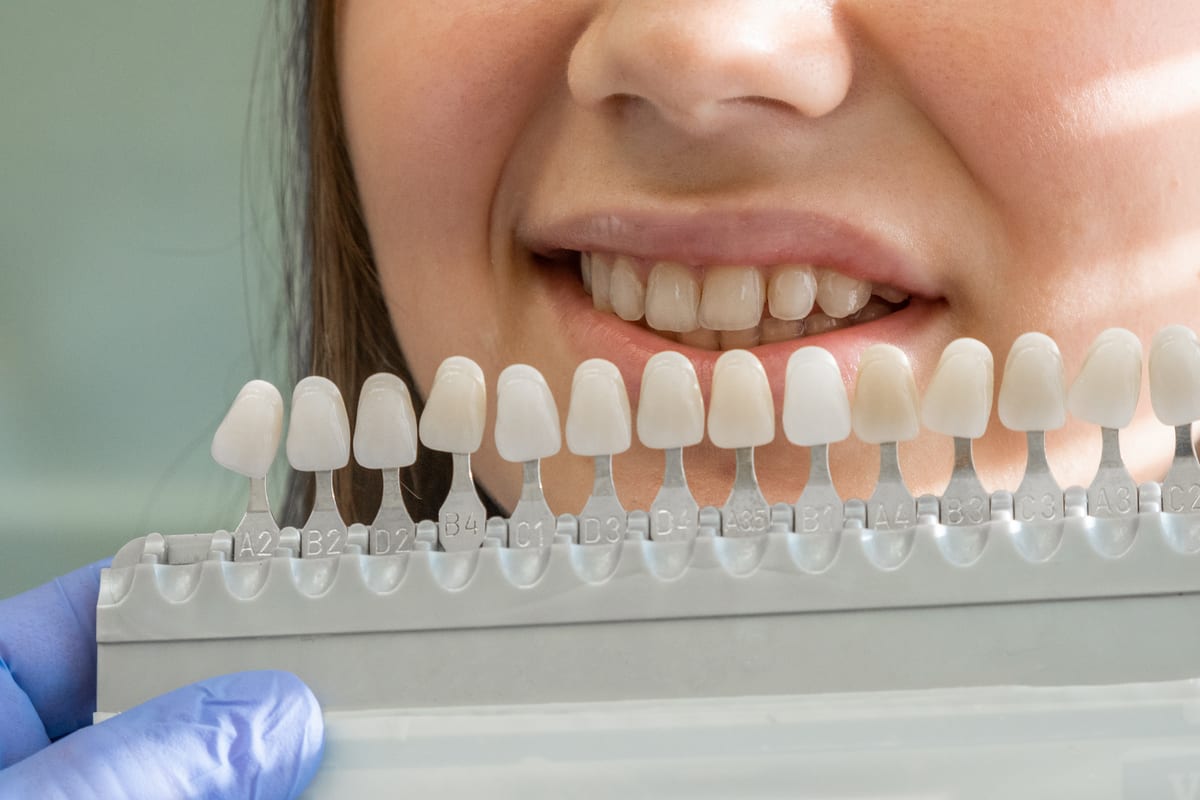
Dental veneers are thin shells bonded to the front surface of your teeth. They are typically made from porcelain or composite resin. Porcelain veneers are more durable and resist staining better than composite options. Both types are custom-crafted to match your natural tooth color and shape.
The placement process usually requires removing a small amount of enamel. This step makes the veneer sit flush with your gumline. Because enamel does not grow back, veneers are considered a permanent commitment. That is why it is so important to understand what you are signing up for.
Veneers primarily address the visible front surface of your teeth. They do not change the structure behind the tooth. Think of them as a cosmetic cover rather than a structural repair.
What Dental Veneers Can Fix in Charlotte
Veneers solve a wide range of cosmetic concerns for Charlotte patients. They are especially effective when multiple issues appear on the same tooth. Here is a look at what veneers handle well:
- Discoloration: Teeth stained by coffee, wine, or tetracycline antibiotics respond well to veneers.
- Chipped or cracked teeth: Minor chips and surface cracks can be covered completely.
- Uneven tooth length: Worn-down or short teeth can be extended for a more balanced smile.
- Gaps between teeth: Small spaces between front teeth can be closed with properly sized veneers.
- Slightly crooked teeth: Mild misalignment can be visually corrected without braces.
- Irregularly shaped teeth: Teeth that are too pointed, too small, or misshapen can be reshaped.
Veneers deliver fast, dramatic results compared to many other treatments. Most patients complete the process in just two or three appointments. The final result looks natural and blends seamlessly with surrounding teeth.
What Veneers Cannot Fix—The Honest Truth
Here is where many patients are surprised. Veneers are cosmetic tools, not structural solutions. They cannot address problems that go beyond the tooth’s surface. Knowing these limitations helps you avoid disappointment and find the right treatment instead.
Veneers cannot fix these conditions:
- Severe tooth decay: A decayed tooth needs treatment before any cosmetic work. Placing a veneer over decay makes the problem worse.
- Gum disease: Active gum disease must be treated and resolved first. Veneers placed on unhealthy gums will not last and may cause harm.
- Missing teeth: Veneers require a natural tooth surface to bond to. A missing tooth needs a bridge, implant, or denture instead.
- Significant misalignment: Moderate to severe crowding or bite issues require orthodontic treatment. Veneers can mask minor irregularities but cannot correct your bite.
- Teeth grinding (bruxism): Heavy grinding wears down veneers quickly. This condition must be managed before veneers are a viable option.
- Severely weakened teeth: Teeth that are mostly filling or structurally compromised often need a dental crown instead.
Dr. Raj Dolia always evaluates your full oral health before recommending veneers. This protects both your investment and your long-term dental health. A beautiful smile built on a healthy foundation lasts far longer.
Veneers vs. Other Cosmetic and Restorative Options
Understanding where veneers fit in the bigger picture matters. Sometimes another treatment serves your needs better. Dr. Dolia will review all your options during your consultation at East Town Dental.
Teeth whitening works well for surface stains caused by food and lifestyle. It is less invasive than veneers and costs significantly less. However, whitening cannot change shape, fix chips, or close gaps.
Dental crowns cover the entire tooth rather than just the front surface. They are a better choice when a tooth is structurally weak or heavily damaged. Crowns offer protection while veneers offer appearance enhancement.
Dental bridges replace missing teeth by anchoring to adjacent teeth. They are not cosmetic in the same way veneers are. If you are missing a tooth, a bridge may be a more appropriate starting point.
If you experience a dental emergency such as a severe chip or sudden pain, do not wait for a cosmetic consultation. Reach out to Emergency Dentistry right away to protect your tooth and prevent further damage.
Are You a Good Candidate for Veneers in Charlotte?
The best veneer candidates have healthy teeth and gums. They are looking to improve the cosmetic appearance of otherwise sound teeth. Patients who grind heavily or have bite problems may need to address those issues first.
You may be a strong candidate if you:
- Have teeth that are stained, chipped, or slightly misshapen
- Want a long-lasting cosmetic improvement
- Have healthy gums with no active disease
- Are committed to good oral hygiene habits
- Understand that veneers are a permanent alteration to your enamel
During your consultation, Dr. Dolia will take X-rays and examine your bite, gums, and existing dental work. This helps him design a treatment plan that is safe and delivers real results. He will also discuss whether composite or porcelain veneers suit your goals and budget better.
Charlotte patients often combine veneers with whitening or other cosmetic treatments. A full smile makeover can address multiple concerns in a coordinated way. Your care plan will be personalized to your specific needs and goals.
Caring for Veneers After Treatment
Veneers require consistent care to stay looking their best. Porcelain veneers resist staining, but the bonding cement can still discolor over time. Brushing twice daily and flossing keeps your gumline healthy and your veneers bright.
Avoid biting your nails, chewing on ice, or using your teeth to open packages. These habits can chip or crack your veneers. If you grind at night, Dr. Dolia may recommend a custom nightguard to protect your investment.
With proper care, porcelain veneers can last 10 to 15 years or longer. Regular checkups at East Town Dental allow Dr. Dolia to monitor your veneers and catch any early issues.
Take the Next Step Toward Your Best Smile
Veneers are a remarkable cosmetic solution—but only when used in the right situations. Understanding what they can and cannot do puts you in control of your smile journey. At East Town Dental, Dr. Raj Dolia takes a thorough, patient-first approach to every consultation. Book Now to schedule your appointment with our team.
Frequently Asked Questions
How long do dental veneers last?
Porcelain veneers typically last 10 to 15 years with proper care. Composite veneers may last 5 to 7 years before they need replacement or repair. Regular dental visits and good oral hygiene habits extend the life of your veneers significantly.
Do veneers require removing a lot of enamel?
The amount of enamel removed is minimal—usually less than a millimeter. However, because enamel does not regenerate, the process is permanent. No-prep or minimal-prep veneers exist, but they are only suitable for specific cases.
Can veneers fix a bad bite or crooked teeth?
Veneers can visually improve the appearance of mildly uneven teeth. They cannot correct a misaligned bite or significant crowding. Orthodontic treatment is the appropriate solution for moderate to severe alignment issues.
Will my veneers look natural?
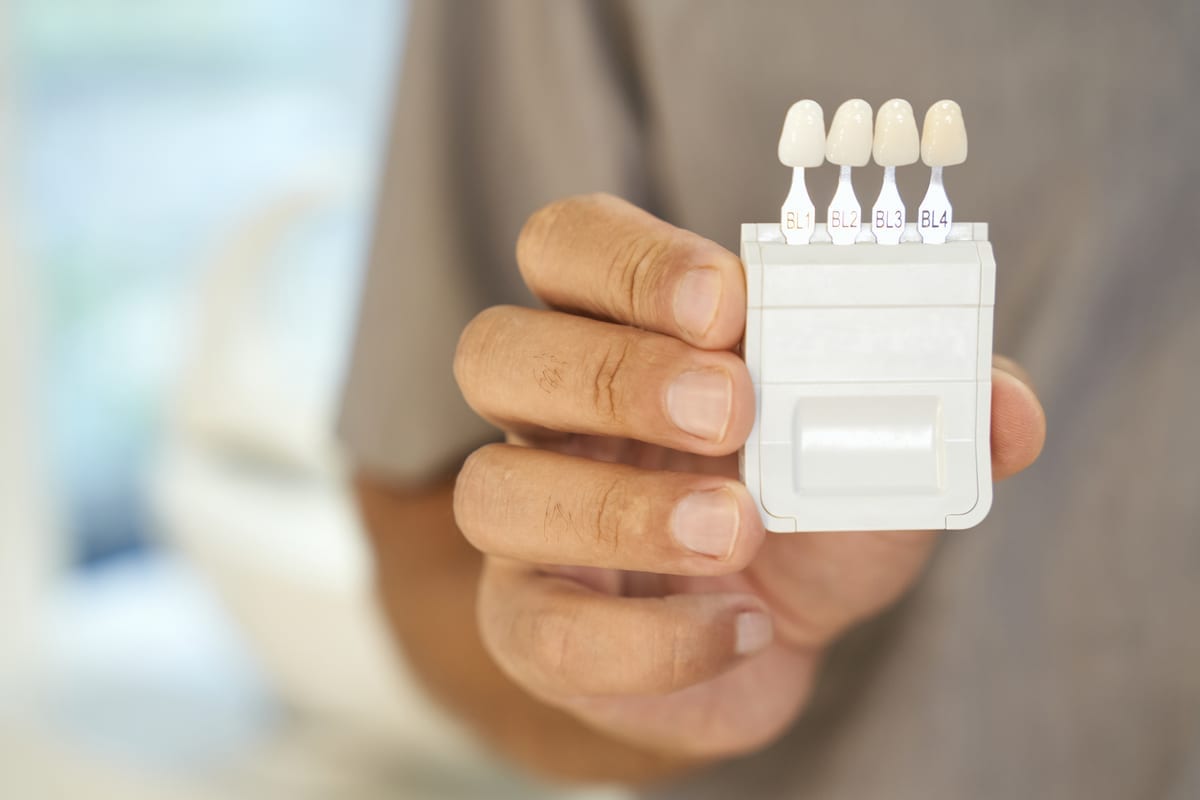
Yes. Modern porcelain veneers are custom-shaded and shaped to blend with your natural teeth. Dr. Raj Dolia works with each patient to choose a shade that looks bright but realistic. Most people will not be able to tell you have veneers at all.
What happens if a veneer chips or falls off?
A chipped or dislodged veneer should be addressed promptly by your dentist. Do not try to reattach it yourself. Dr. Dolia at East Town Dental can assess whether the veneer can be rebonded or needs to be replaced entirely.