Complimentary Implant Consultation

Teeth Whitening Sensitivity: Why It Happens and How to Prevent It

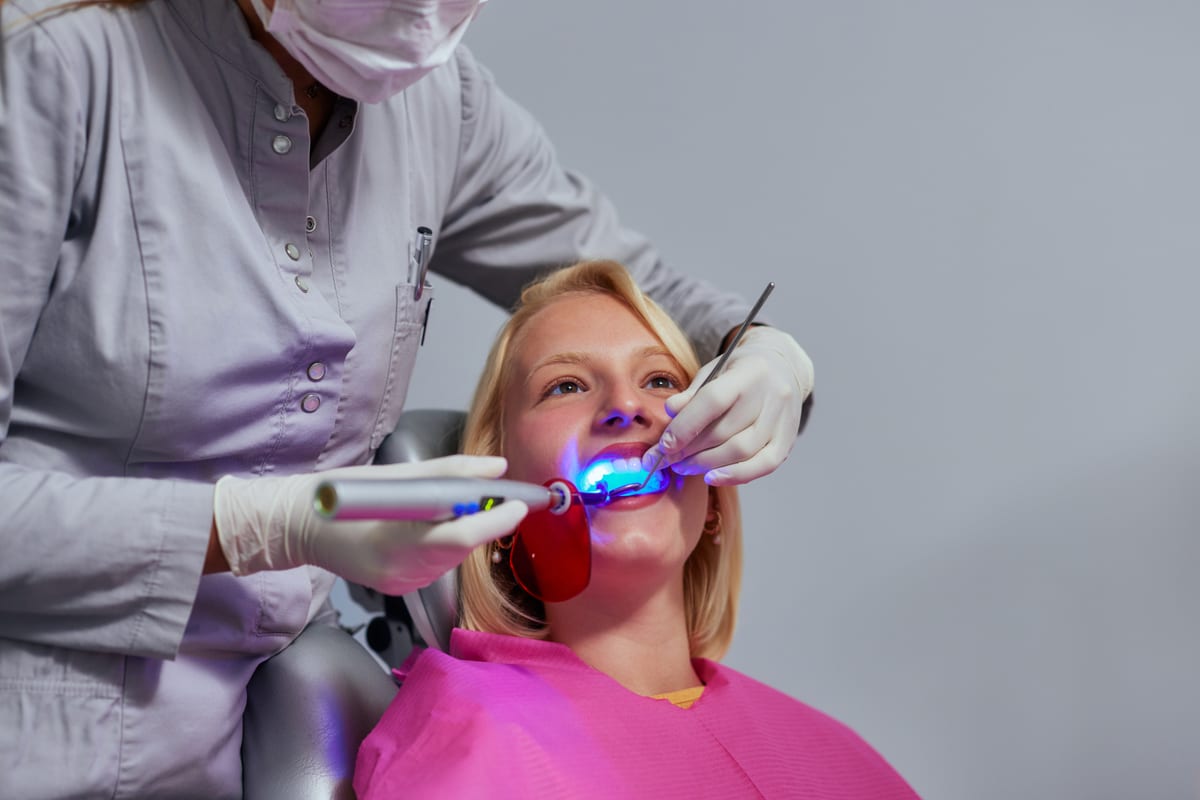
Teeth Whitening Sensitivity: Why It Happens and How to Prevent It
By East-Town-Dental.
Teeth whitening sensitivity is one of the most common concerns patients share with us at East Town Dental. Many Charlotte residents want a brighter smile but worry about the discomfort that can come with treatment. Understanding why sensitivity happens — and how to prevent it — can make a real difference in your experience. Dr. Raj Dolia and our team are here to help you whiten confidently and comfortably.
Why Does Teeth Whitening Cause Sensitivity in Charlotte Patients?
Tooth sensitivity during whitening is a normal, well-understood response. Whitening agents like hydrogen peroxide or carbamide peroxide work by penetrating the outer enamel layer. They temporarily open tiny pores in the enamel, allowing the bleaching agent to reach inner staining molecules. This process can also expose the sensitive dentin layer beneath.
Dentin contains microscopic tubes called dentinal tubules. These tubules connect directly to the nerve at the center of your tooth. When whitening agents reach these tubes, they can stimulate the nerve and cause that familiar sharp or achy sensation.
Not everyone experiences the same level of sensitivity. Your risk depends on several factors, including your natural enamel thickness, existing gum recession, and the strength of the whitening product used. Patients with already-sensitive teeth tend to feel more discomfort during treatment.
How Dentists Minimize Whitening Sensitivity During Treatment
Professional whitening at a dental practice offers major advantages over store-bought kits. Dr. Dolia carefully evaluates your teeth before recommending any whitening approach. This ensures the treatment matches your tooth condition and sensitivity level.
Here are some of the ways a dental professional reduces whitening discomfort:
- Pre-treatment desensitizers: Your dentist can apply fluoride or potassium nitrate gels before whitening to calm the nerves.
- Controlled bleach concentration: Professional products come in precise strengths, reducing overexposure risk.
- Custom-fitted trays: These prevent the whitening gel from touching your gums, minimizing irritation.
- Shorter application times: Dentists can adjust treatment length to lower sensitivity while still achieving results.
- Post-treatment remineralization: Fluoride treatments after whitening help seal enamel pores and reduce lingering sensitivity.
Over-the-counter whitening strips cannot offer this level of customization. That is why professional whitening remains the safest and most comfortable option for most patients in Charlotte.
What You Can Do at Home to Prevent Whitening Sensitivity
Your at-home habits play a big role in managing sensitivity before, during, and after whitening. Simple changes to your routine can significantly reduce discomfort. Dr. Dolia recommends starting these steps at least one week before your whitening appointment.
Follow these practical tips to protect your teeth and reduce sensitivity:
- Switch to a sensitivity toothpaste: Products with potassium nitrate block pain signals traveling to the nerve.
- Use a soft-bristled toothbrush: Hard bristles can wear enamel and worsen sensitivity over time.
- Avoid very hot or cold foods: Temperature extremes can trigger discomfort during the whitening period.
- Skip acidic foods and drinks: Coffee, citrus, and carbonated drinks can further erode enamel temporarily.
- Take over-the-counter pain relievers if needed: Ibuprofen or acetaminophen before your appointment may reduce post-treatment sensitivity.
After your whitening session, continue using sensitivity toothpaste for at least one week. This helps your enamel recover and keeps discomfort manageable. Most sensitivity resolves within 24 to 48 hours after treatment.
Who Is Most at Risk for Teeth Whitening Sensitivity?
Some patients are more prone to whitening sensitivity than others. Knowing your risk factors helps Dr. Dolia personalize your treatment plan. Charlotte patients with certain conditions may need a modified whitening approach or extra protective steps.
You may have a higher sensitivity risk if you have any of the following:
- Pre-existing tooth sensitivity to hot and cold temperatures
- Thin or worn enamel from grinding or acidic diet
- Exposed root surfaces due to gum recession
- Cracked teeth or leaking dental restorations
- Recent dental work such as fillings or crowns
Patients with active cavities or gum disease should address those conditions first. Whitening on compromised teeth can worsen sensitivity and cause more harm than good. A thorough exam at East Town Dental ensures you are a good candidate before treatment begins.
For patients dealing with urgent dental pain, our Emergency Dentistry Charlotte services are available to address discomfort quickly and safely.
Long-Term Whitening Results With Less Sensitivity in Charlotte
The goal of professional whitening is a brilliant smile that lasts — without ongoing discomfort. With the right preparation and aftercare, most patients achieve excellent results with minimal sensitivity. Teeth whitening sensitivity in Charlotte patients is very manageable when treated professionally.
Dr. Dolia recommends touch-up whitening treatments every six to twelve months. Spacing out treatments gives your enamel time to remineralize between sessions. This approach maintains your results while keeping sensitivity to a minimum.
Good daily oral hygiene also extends whitening results. Brushing twice daily, flossing regularly, and attending routine cleanings all help keep surface stains from returning quickly. Avoiding tobacco products and heavy staining beverages makes a noticeable difference over time.
If you are interested in combining whitening with other smile-enhancing treatments, explore our Cosmetic Dentistry Charlotte services. Veneers, bonding, and other options can complement your whitening results beautifully.
Conclusion: Whiten Brighter, Feel Better in Charlotte
Teeth whitening sensitivity is real, but it does not have to stop you from achieving the smile you want. Understanding why sensitivity happens — and taking proactive steps — makes all the difference. At East Town Dental, Dr. Raj Dolia takes a careful, personalized approach to whitening. We guide every Charlotte patient through the process safely and comfortably. Book Now to schedule your appointment with our team.
Frequently Asked Questions
How long does teeth whitening sensitivity last?
Most patients experience sensitivity for 24 to 48 hours after a whitening session. This typically resolves on its own without any treatment. Using a sensitivity toothpaste and avoiding temperature extremes during this time can help speed recovery.
Is professional whitening safer for sensitive teeth than store-bought kits?
Yes. Professional whitening allows Dr. Dolia to control the bleach concentration and application time precisely. Custom trays also prevent gel from touching your gums, which reduces irritation. Over-the-counter kits offer no such customization, which increases the risk of sensitivity.
Can I whiten my teeth if I already have sensitive teeth?
Many patients with sensitive teeth do successfully whiten their teeth. Dr. Dolia will evaluate your teeth first and may recommend desensitizing treatments before and after whitening. He can also adjust the bleach strength or shorten treatment sessions to minimize discomfort.
What toothpaste is best for reducing whitening sensitivity?
Toothpastes containing potassium nitrate or stannous fluoride are most effective for reducing sensitivity. Brands like Sensodyne are commonly recommended. Start using a sensitivity toothpaste at least one week before your whitening appointment for the best results.
How often should I whiten my teeth to avoid excessive sensitivity?
Dr. Dolia generally recommends touch-up whitening every six to twelve months. Whitening too frequently does not allow your enamel enough time to remineralize. Spacing treatments properly helps maintain your results while keeping sensitivity levels low and manageable.