Complimentary Implant Consultation

Dental Bridges Charlotte: Separating Myths From Facts


Dental Bridges Charlotte: Separating Myths From Facts
By East-Town-Dental.
Dental Bridges Charlotte: Separating Myths From Facts
Missing teeth can affect your confidence and your ability to enjoy everyday activities. If you’re exploring tooth replacement options, you’ve likely heard about dental bridges. But with so much information available, it’s easy to encounter misconceptions.
Understanding the truth about dental bridges Charlotte residents rely on helps you make informed decisions about your dental health. At East Town Dental, Dr. Raj Dolia and our team frequently address patient concerns about bridges. We’ve compiled the most common myths and the facts behind them to help you understand this proven restorative treatment.
Let’s explore what’s true and what’s not when it comes to dental bridges. This knowledge empowers you to have more productive conversations with your dentist about your smile goals.
Myth: Dental Bridges Charlotte Dentists Place Only Work For Single Missing Teeth
Many patients believe bridges can only replace one tooth at a time. This misconception often leads people to assume they need multiple separate procedures if they’re missing several adjacent teeth.
The truth is quite different. Dental bridges can effectively replace multiple consecutive missing teeth. A traditional bridge uses crowns on the teeth on either side of the gap to support one or more artificial teeth in between.
The number of teeth a single bridge can replace depends on several factors:
- The health and strength of the anchor teeth on each side
- The location in your mouth where teeth are missing
- Your bite pattern and jaw alignment
- The overall health of your surrounding gums and bone
Dr. Dolia evaluates each patient’s unique situation during a comprehensive examination. Some bridges replace two or even three consecutive teeth successfully. The key is ensuring the supporting teeth can handle the load.
If you’re missing multiple teeth in different areas of your mouth, you might need more than one bridge. But don’t assume you need individual solutions for every missing tooth. A thorough consultation at our Charlotte practice will reveal your best options.
Myth: Getting A Bridge Is Extremely Painful
Dental anxiety is real, and fear of pain keeps many people from seeking needed treatment. The myth that getting a bridge involves significant pain can delay important dental care.
Here’s the reality: modern dentistry makes bridge placement comfortable. The procedure typically involves minimal discomfort, especially when performed by an experienced dentist like Dr. Dolia.
During the preparation visit, your dentist numbs the area completely with local anesthesia. You won’t feel pain while the anchor teeth are being shaped. Some patients experience pressure sensations, but these aren’t painful.
After the anesthesia wears off, you might notice some sensitivity. This is normal and temporary. Most patients describe it as mild discomfort rather than pain. Over-the-counter pain relievers usually provide sufficient relief.
The process unfolds in stages:
- Initial consultation and treatment planning
- Preparation of anchor teeth and impressions
- Temporary bridge placement while your custom bridge is crafted
- Final bridge placement and adjustments
Between appointments, your temporary bridge protects the prepared teeth. Any discomfort typically subsides within a few days as your mouth adjusts. By the time your permanent bridge is placed, most patients report feeling completely normal.
If you experience dental anxiety, talk with our team. We offer solutions to help you feel comfortable throughout your treatment.
Myth: Bridges Look Fake And Everyone Will Notice
Cosmetic concerns rank high among patient worries. Nobody wants a tooth replacement that screams ‘dental work’ to everyone they meet. This myth causes some people to avoid bridges altogether.
Modern dental bridges are remarkably natural-looking. Advances in dental materials and techniques have transformed what’s possible. Today’s bridges blend seamlessly with your natural teeth.
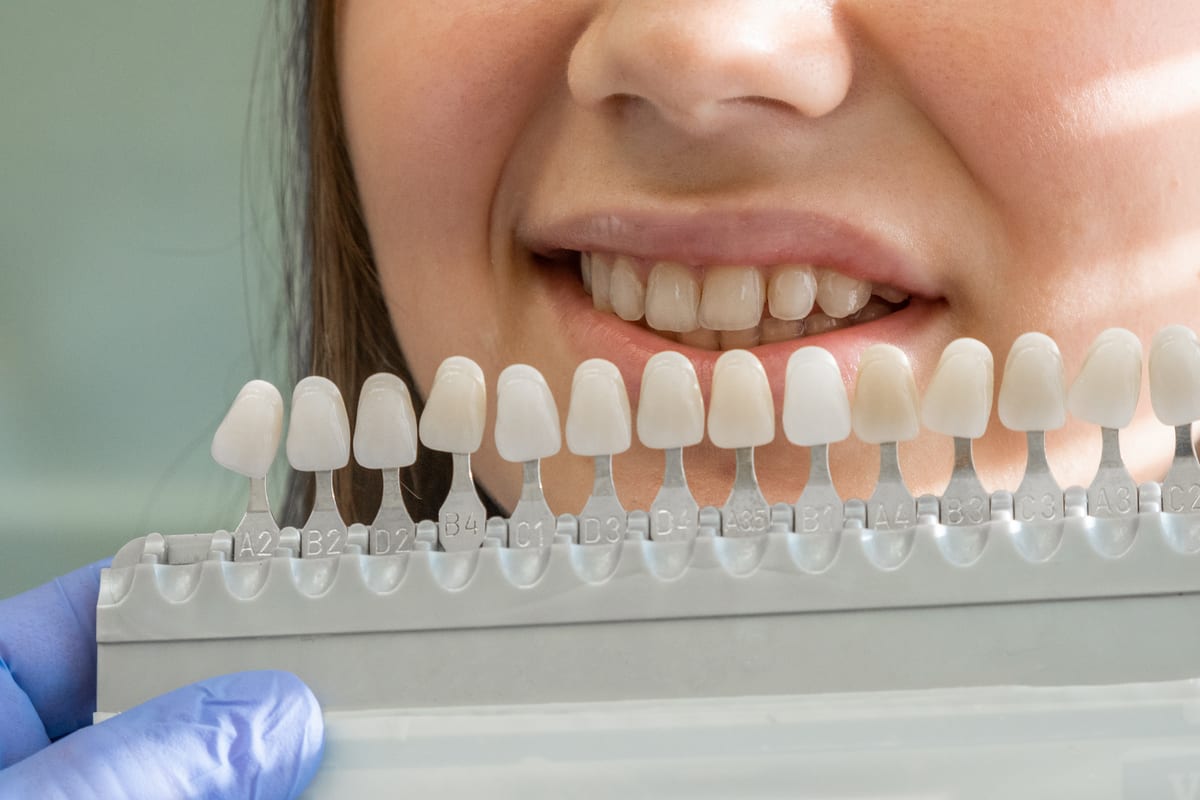
Dental laboratories craft custom bridges to match your teeth precisely. They consider multiple factors:
- The exact shade and translucency of your surrounding teeth
- The shape and size that fits your mouth naturally
- Surface texture that mimics natural enamel
- The way light reflects off your teeth
Porcelain and ceramic materials replicate the appearance of natural tooth enamel beautifully. These materials reflect light similarly to real teeth. They also resist staining better than natural enamel does.
As Charlotte residents prepare for graduation ceremonies and spring celebrations, a confident smile matters. Your bridge should enhance your appearance, not detract from it. When properly designed and placed, bridges are virtually undetectable.
Dr. Dolia works closely with skilled dental technicians who create restorations that look like they grew there naturally. Friends and family won’t notice your bridge unless you tell them about it. You’ll simply enjoy a complete, beautiful smile again.
Myth: Dental Bridges Don’t Last Long And Need Frequent Replacement
Some people hesitate to invest in bridges because they’ve heard these restorations don’t last. The myth that bridges need replacement every few years makes them seem like a poor choice compared to other options.
The facts tell a different story. With proper care, dental bridges typically last 10 to 15 years or longer. Many patients enjoy their bridges for decades without needing replacement.
Bridge longevity depends primarily on how well you care for them. Good oral hygiene protects both the bridge and the supporting teeth. Neglecting your dental health will shorten a bridge’s lifespan, just as it would damage natural teeth.
Several factors influence how long your bridge lasts:
- Daily brushing and flossing habits
- Regular professional cleanings and checkups
- Avoiding habits that stress teeth like ice chewing or nail biting
- The health of the supporting anchor teeth
- Your overall oral health and gum condition
Charlotte’s active lifestyle doesn’t have to compromise your bridge. Whether you’re enjoying outdoor activities or attending community events, your bridge withstands normal daily use.
Think of your bridge as a long-term investment in your smile. The initial time and effort pay dividends for years. Regular visits to East Town Dental help ensure your bridge stays in excellent condition.
Dr. Dolia monitors your bridge during routine checkups. Early detection of any issues allows for simple fixes before major problems develop. This proactive approach maximizes your bridge’s lifespan.
Myth: You Can’t Eat Normally With A Dental Bridge
Dietary restrictions worry many potential bridge candidates. The myth that bridges severely limit what you can eat makes them seem impractical for everyday life.
The reality is much more positive. Once you adjust to your new bridge, you can enjoy most foods without problems. Bridges restore your ability to chew effectively and comfortably.
During the first few days after placement, some caution makes sense. Your mouth needs time to adapt to the new restoration. Start with softer foods and gradually reintroduce your regular diet.
After the adjustment period, you can eat confidently. Bridges are designed to withstand normal chewing forces. They function much like your natural teeth did before you lost them.
Some common-sense guidelines help protect your bridge:
- Avoid extremely hard foods that could damage any tooth
- Cut corn off the cob rather than biting directly
- Be cautious with very sticky candies or foods
- Chew carefully on both sides of your mouth
As spring brings fresh produce to Charlotte farmers markets, you’ll appreciate being able to enjoy seasonal foods again. Your bridge shouldn’t prevent you from savoring local flavors and favorite meals.
Most patients find their bridges feel natural within a few weeks. Eating becomes effortless again. You’ll likely forget you even have a bridge once you’re fully adjusted to it.
If you experience any difficulties with your bridge, contact our office. Minor adjustments can resolve most concerns quickly. Dr. Dolia ensures your bridge fits comfortably and functions properly.
Making Informed Decisions About Your Smile
Understanding the truth about dental bridges helps you evaluate whether this treatment suits your needs. Bridges offer a reliable, time-tested solution for missing teeth. They restore function, improve appearance, and protect your remaining teeth.
Every patient’s situation is unique. What works perfectly for one person might not be ideal for another. That’s why a thorough consultation matters so much.
Dr. Dolia takes time to understand your specific concerns and goals. He explains all your options clearly, including the pros and cons of each approach. This collaborative process ensures you choose the treatment that’s right for you.
Don’t let myths and misconceptions prevent you from exploring solutions for missing teeth. Accurate information empowers better decisions. Your smile deserves the care and attention that comes from understanding your options fully.
At East Town Dental, we’re committed to patient education and exceptional care. Our comprehensive dental services address all aspects of your oral health. Whether you need a bridge or another solution, we guide you through every step of the process.
Ready to learn more about how dental bridges can restore your smile? Book Now to schedule your appointment with our team.
Frequently Asked Questions
How long does it take to get a dental bridge in Charlotte?
The bridge process typically requires two to three appointments over several weeks. Your first visit involves examination, preparation of anchor teeth, and impressions. You’ll wear a temporary bridge while the lab creates your custom permanent bridge. The final appointment involves placing and adjusting your new bridge for perfect fit and comfort.
Can I get a bridge if I have gum disease?
Gum disease must be treated before bridge placement. Healthy gums and bone are essential for supporting a bridge successfully. Dr. Dolia will evaluate your gum health during your consultation and recommend any necessary treatment first. Once your gums are healthy, you can proceed with bridge placement safely.
What’s the difference between a dental bridge and a dental implant?
A bridge uses adjacent teeth for support and replaces the crown portion of missing teeth. Implants replace both the root and crown with a titanium post and restoration. Bridges require no surgery and take less time to complete. Implants don’t involve altering neighboring teeth. Each option has distinct advantages depending on your specific situation.
How do I clean my dental bridge properly?
Clean your bridge just like natural teeth with regular brushing twice daily. Special floss threaders or interdental brushes help clean under the bridge where it spans the gap. Water flossers work excellently for bridge maintenance. Regular professional cleanings remove buildup in hard-to-reach areas and keep your bridge and supporting teeth healthy.
Will my dental bridge feel different from my natural teeth?
Initially, you’ll notice your bridge as your mouth adjusts to the restoration. This awareness typically fades within two to three weeks. Most patients report their bridge feels natural and comfortable once they’ve adapted. If your bridge continues feeling unusual after the adjustment period, contact Dr. Dolia for an evaluation and possible minor adjustments.