Complimentary Implant Consultation

Your Complete First-Time Guide to Veneers in Charlotte

Your Complete First-Time Guide to Veneers in Charlotte
By East-Town-Dental.
Your Complete First-Time Guide to Veneers in Charlotte
Thinking about transforming your smile with veneers Charlotte residents trust can feel exciting and nerve-wracking at the same time. If you’ve never had cosmetic dental work before, you probably have questions about what happens during the process. Dr. Raj Dolia at East Town Dental understands these first-time anxieties and wants you to feel confident about your decision.
This guide walks you through everything you need to know before your first veneer consultation. We’ll explain the process in simple terms, address common concerns, and help you prepare for your visit.
As Charlotte families prepare for graduations and proms this late spring season, many patients choose this time to enhance their smiles for special photos and celebrations. A veneer consultation is the perfect first step toward the confident smile you’ve always wanted.
What Are Veneers and How Do They Work?
Veneers are thin shells of porcelain or composite material that cover the front surface of your teeth. Think of them like a protective and beautifying cover for your natural tooth structure. They’re custom-made to match your desired tooth shape, size, and color.
The veneer bonds permanently to your tooth using a special dental adhesive. This creates a strong connection that can last 10 to 15 years or longer with proper care.
Most patients choose veneers to address several cosmetic concerns at once. These might include stained teeth that don’t respond to whitening, chipped or worn edges, gaps between teeth, or slightly crooked teeth.
The beauty of veneers is that they can dramatically change your smile in just two to three visits. Unlike braces or aligners that take months or years, veneers offer a relatively quick transformation.
Understanding the Veneers Charlotte Process Step by Step
Your first appointment is a consultation where Dr. Dolia examines your teeth and discusses your goals. This is your chance to share what you’d like to change about your smile. Be honest and specific about your concerns.
During this visit, we’ll take photographs and possibly X-rays of your teeth. These images help us plan the best approach for your unique situation. We’ll also discuss whether you’re a good candidate for veneers based on your oral health.
If you decide to move forward, your second appointment involves tooth preparation. Dr. Dolia removes a very thin layer of enamel from the front of each tooth receiving a veneer. This creates room for the veneer so your teeth don’t look bulky.
The amount removed is minimal, usually less than a millimeter. Many patients worry this will hurt, but the procedure is typically done with local anesthesia. You’ll feel pressure but not pain.
After preparation, we take impressions of your teeth. These molds go to a dental laboratory where skilled technicians create your custom veneers. This process takes about two to three weeks.
You’ll wear temporary veneers during this waiting period. These protect your prepared teeth and give you a preview of your new smile. They’re not as strong as permanent veneers, so you’ll need to be gentle with them.
Your final appointment is the placement visit. Dr. Dolia carefully positions each veneer, checks the fit and color, and makes any needed adjustments. Once you’re both happy with how they look, he permanently bonds them to your teeth.
Addressing Common First-Time Anxieties About Veneers
Will the procedure hurt? This is the most common concern Dr. Dolia hears from first-time patients. The honest answer is that you’ll receive local anesthesia during tooth preparation, so you shouldn’t feel pain during the procedure itself.
After the anesthesia wears off, you might experience some sensitivity for a few days. This is normal and usually manageable with over-the-counter pain relievers. The sensitivity typically fades within a week.
Will my veneers look fake? Modern porcelain veneers are incredibly natural-looking when designed by an experienced cosmetic dentist. Dr. Dolia takes great care to match the translucency, color variations, and contours of natural teeth.
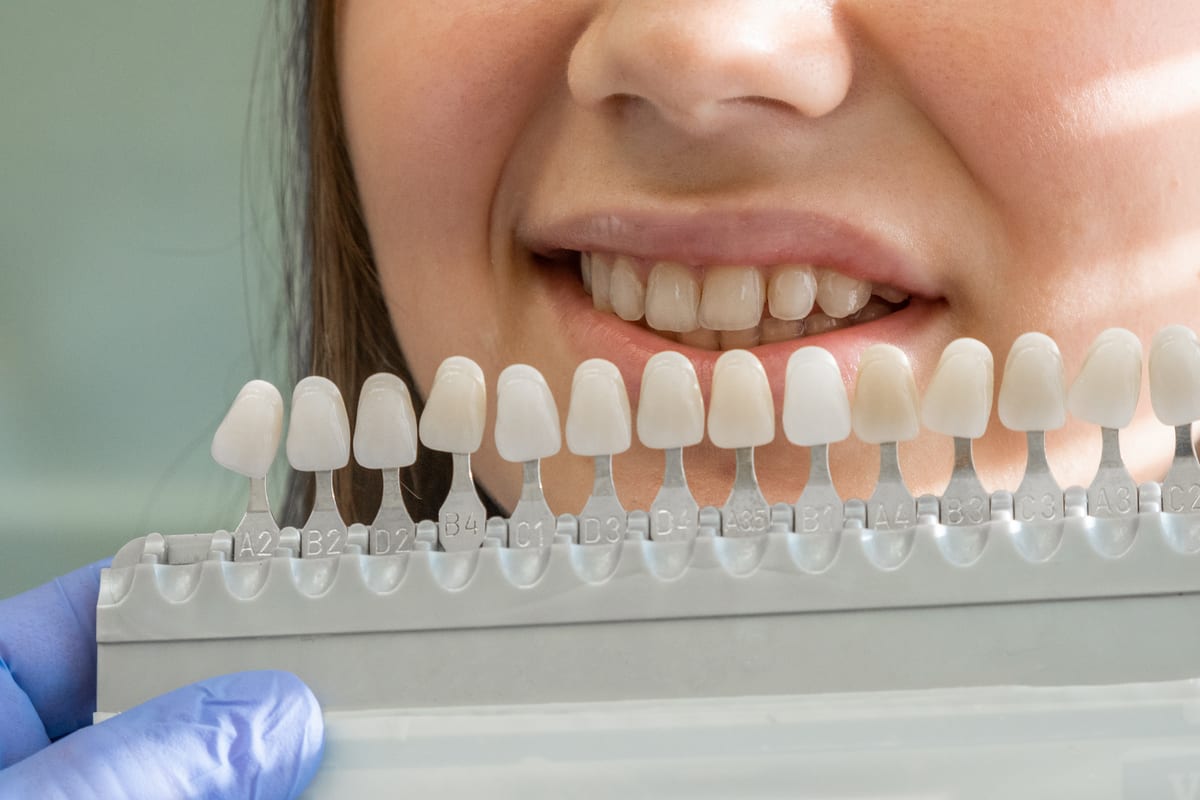
During your consultation, you’ll work together to choose a shade that complements your skin tone and looks. Many Charlotte patients opt for a slightly brighter shade than their natural teeth, but not so white that they look artificial.
What if I don’t like the results? This is why the temporary veneer phase is so important. It gives you time to live with your new smile shape and size before committing to permanent veneers.
Dr. Dolia encourages patients to provide feedback during the temporary phase. If something feels off about the length, shape, or color, adjustments can be made before the final veneers are created.
How much do veneers cost? Pricing varies based on how many teeth you’re treating and the material chosen. Porcelain veneers typically cost more than composite resin veneers but last longer and resist staining better.
During your consultation at East Town Dental, we’ll provide a detailed cost estimate specific to your treatment plan. Many practices offer payment plans to make the investment more manageable.
What to Bring to Your First Veneers Consultation
Being prepared for your first visit helps the appointment go smoothly. Here’s what you should bring with you:
- A list of any medications you currently take, including supplements
- Photos of smiles you admire or features you’d like your veneers to have
- Questions you’ve written down ahead of time so you don’t forget to ask
- Your dental history, including any previous dental work or treatments
- A list of any allergies, especially to medications or dental materials
- Sunglasses for after the appointment, as your eyes may be sensitive to light
Having reference photos is especially helpful. These don’t have to be celebrity smiles. They can be pictures of your own smile from years ago or examples that show the tooth shape you prefer.
Don’t worry about having perfect terminology for what you want. Dr. Dolia is skilled at translating your descriptions into a treatment plan. Phrases like ‘I want them less gappy’ or ‘I’d like my teeth to look longer’ are completely fine.
Caring for Your New Veneers After Placement
Once your permanent veneers are in place, you might wonder how life will change. The good news is that veneers don’t require special care beyond good oral hygiene habits.
Brush twice daily with a non-abrasive toothpaste and soft-bristled brush. Floss once daily, being gentle around the gum line where your veneers meet your natural teeth. These habits protect both your veneers and the underlying tooth structure.
Avoid using your veneered teeth as tools. Don’t bite your nails, tear open packages, or chew on ice. While veneers are strong, they can chip or crack under excessive force just like natural teeth.
If you grind your teeth at night, Dr. Dolia may recommend a custom night guard. Grinding can damage veneers over time, and a protective guard extends their lifespan significantly.
You can eat normally with veneers, but be mindful with extremely hard foods like hard candies or popcorn kernels. Use common sense, and your veneers will serve you well for many years.
Regular dental checkups at East Town Dental are essential. Dr. Dolia monitors your veneers during these visits and polishes them to maintain their beautiful appearance. Most patients need cleanings every six months.
Why Charlotte Patients Choose East Town Dental for Veneers
Dr. Raj Dolia combines technical expertise with an understanding of what first-time cosmetic dental patients need. He takes time during consultations to listen to your concerns and answer every question thoroughly.
The team at East Town Dental creates a comfortable, welcoming environment. From the moment you walk in, you’ll feel supported rather than pressured. We want you to make the best decision for your smile and your life.
Charlotte residents appreciate our transparent approach to treatment planning. You’ll know exactly what to expect at each stage of the process. There are no surprises or hidden steps.
Our practice uses high-quality materials and works with trusted dental laboratories. This ensures your veneers are crafted to the highest standards and will look beautiful for years to come.
Many patients tell us they wish they’d done this sooner. If you’ve been considering veneers but felt nervous about taking the first step, now is the perfect time. Book Now to schedule your appointment with our team.
Frequently Asked Questions
How long does it take to get veneers from start to finish?
The complete veneer process typically takes three to four weeks. Your first consultation appointment is for examination and planning. The second visit involves tooth preparation and impressions, which takes about two hours. You’ll wear temporary veneers for two to three weeks while the lab creates your permanent ones. The final placement appointment takes about two hours. Some patients complete the process faster depending on scheduling availability.
Can veneers be removed if I change my mind later?
Veneers are considered a permanent treatment because a small amount of tooth enamel is removed during preparation. This means your teeth will always need to be covered with either veneers or crowns going forward. However, veneers can be replaced with new ones when they wear out or if you want to update your smile. The prepared tooth structure remains healthy underneath.
Will I have sensitivity after getting veneers?
Some patients experience temporary sensitivity to hot and cold temperatures immediately after veneer placement. This usually decreases significantly within the first week and resolves completely within two weeks. If sensitivity persists beyond a month, contact Dr. Dolia to check the veneer fit. Using toothpaste designed for sensitive teeth can help during the adjustment period.
Do veneers stain like natural teeth?
Porcelain veneers are highly resistant to staining from coffee, tea, wine, and other foods that typically discolor natural teeth. This is one of their major advantages over composite resin veneers. However, the cement used to bond veneers can stain at the edges if exposed. Maintaining good oral hygiene and attending regular cleanings prevents this issue and keeps your veneers looking bright.
How many veneers do most people get?
The most common number is six to eight veneers on the upper front teeth, as these are most visible when you smile and talk. Some patients choose to veneer their lower front teeth as well for a completely uniform appearance. Dr. Dolia helps you determine the right number based on your smile line, which is how many teeth show when you smile naturally. Even-numbered veneers typically create the most symmetrical and balanced results.